
First Aid at Work: Do You Have Enough Trained Staff?
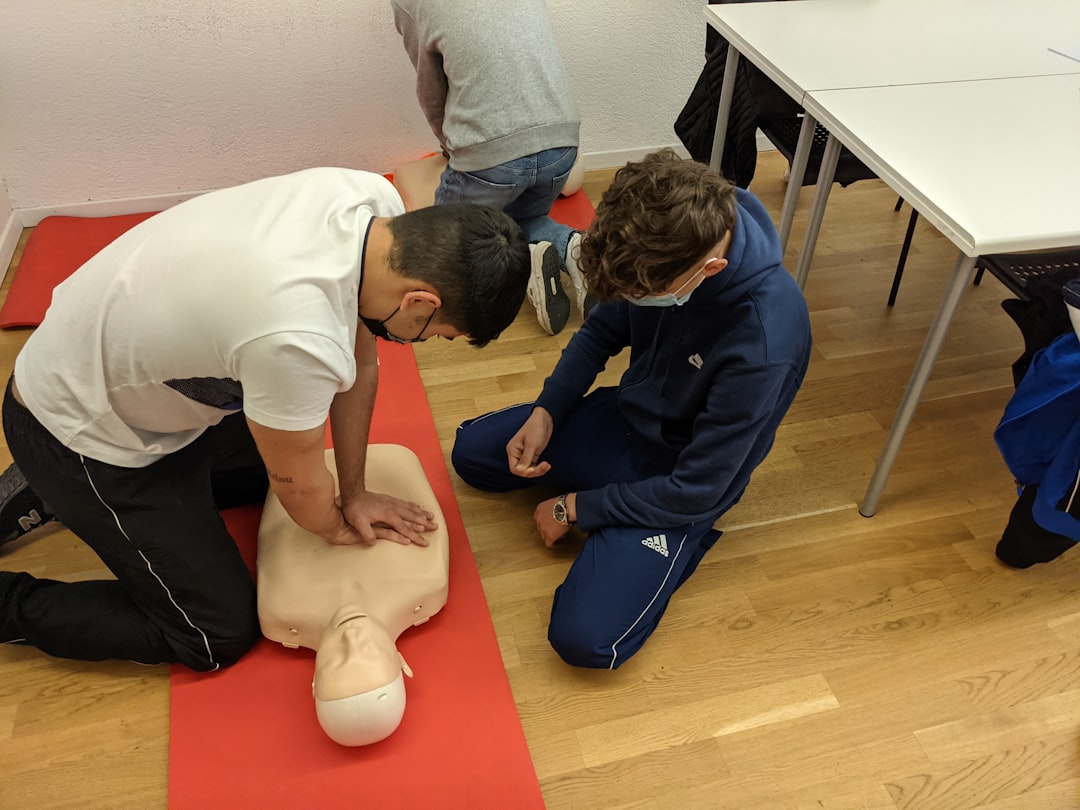
Every employer in the UK has a legal duty to provide first aid. But the regulations don’t hand you a simple number, and that catches a lot of people out. The answer depends on your workplace, your risks, and who’s actually on site at any given time.
What the Law Says
The Health and Safety (First Aid) Regulations 1981 require employers to provide “adequate and appropriate” first aid equipment, facilities, and personnel. There’s no universal ratio. A small accountancy firm and a busy warehouse have very different needs, so the regulations ask you to assess your own situation and decide accordingly.
That means looking at the nature of your work, the hazards involved, workforce size, shift patterns, and how spread out people are. Getting this wrong has real consequences. HSE inspectors check first aid arrangements, and if someone is injured while your provision is inadequate, you’re looking at enforcement action.
How Many First Aiders Do You Need?
The HSE splits this by risk level. Low-risk covers offices, shops, and libraries. Higher-risk includes manufacturing, construction, and care homes.
| Workplace Type | Staff Count | Minimum Requirement | Risk |
|---|---|---|---|
| Small office or independent shop | Fewer than 25 | At least one appointed person | Low |
| Mid-size office, library, or retail store | 25 to 50 | At least one EFAW trained person | Low |
| Large office, call centre, or multi-floor retail | More than 50 | One EFAW person per 100 employees | Low |
| Small workshop or trade premises | Fewer than 5 | At least one appointed person | High |
| Care home, warehouse, or construction site | 5 to 50 | At least one FAW trained person | High |
| Large factory, distribution centre, or industrial site | More than 50 | One extra FAW person per 50 employees | High |
These are minimums. One of the most common problems we see is businesses that meet the numbers on paper but have no cover during holidays, sickness, or shift changes. If your only trained first aider is off sick, you’ve got a gap. Think about who’s actually on site at peak times, not just who’s on the payroll.
Understanding the Qualifications
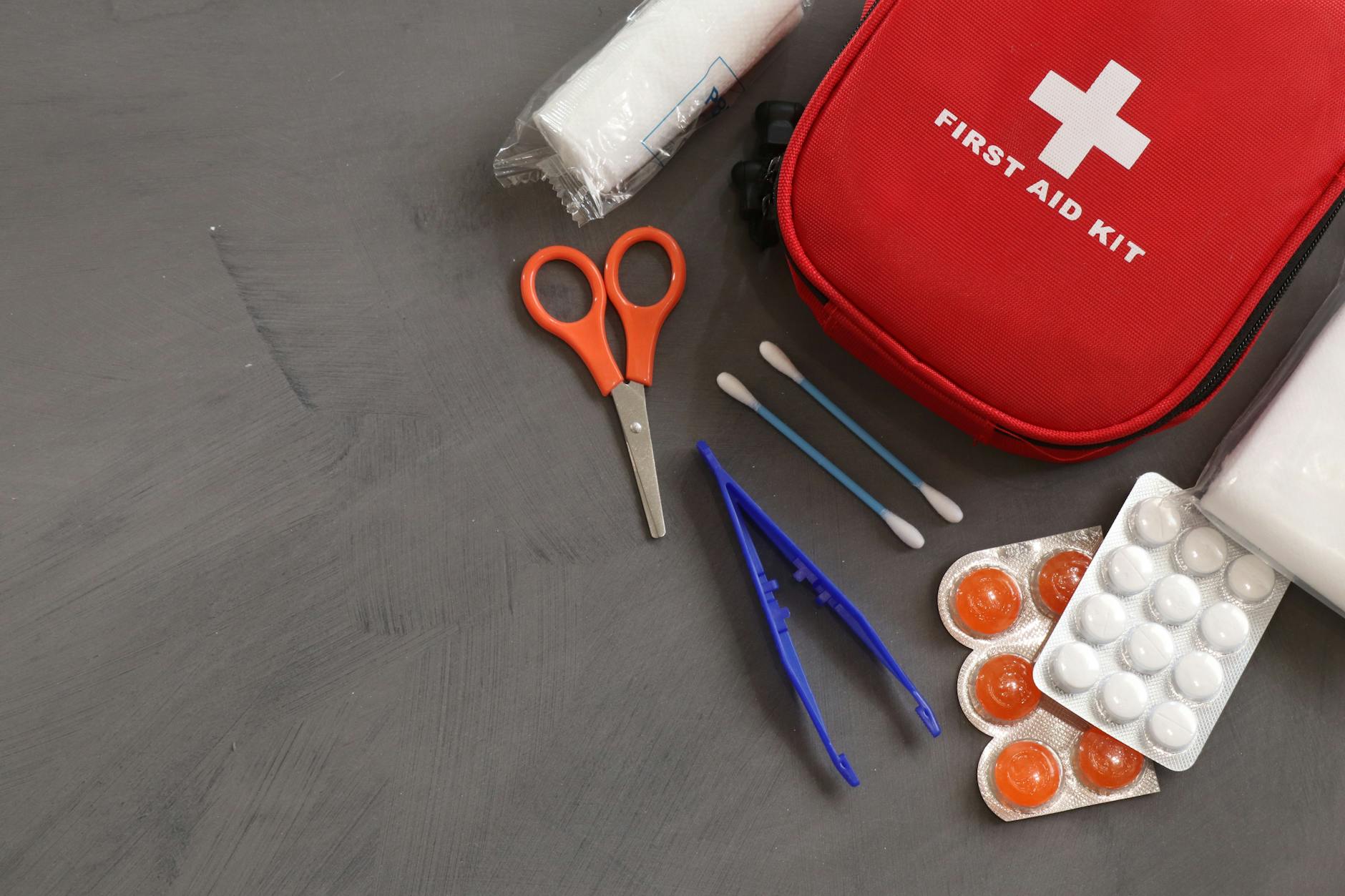
There are three levels the HSE recognises, and picking the wrong one for your risk level means you’re not meeting your legal duty, even if you’ve paid for the training.
No formal course required
Not a trained first aider. Takes charge of arrangements, keeps the kit stocked, and calls 999. Only suitable for very low-risk workplaces with a handful of staff.
1 Day Course | Valid 3 years
Covers CPR, choking, bleeding, shock, and unconscious casualties. The minimum standard most offices and retail shops should aim for, and our most popular course.
3 Day Course | Valid 3 years
The full qualification. Covers everything in EFAW plus fractures, spinal injuries, burns, eye injuries, poisoning, heart attacks, strokes, and diabetes emergencies. Required for higher-risk workplaces.
Certificates expire after three years
Once a certificate lapses, that person is no longer a qualified first aider in the eyes of the HSE. Keep a log of expiry dates and book refreshers well in advance. The HSE also recommends annual half-day refreshers between full requalifications.
For Cumbria businesses in particular, seasonal staffing creates extra pressure. A Lake District hotel that jumps from 10 staff in winter to 35 in summer needs to scale its first aid provision to match. We see this a lot with hospitality clients who hire seasonal workers and forget to factor training into their onboarding.
✓Quick Compliance Checklist
- Assess your workplace risk level (low or higher risk)
- Count staff on site at peak times, not just total headcount
- Check you have the right qualification level for your risk category
- Confirm all first aid certificates are still in date
- Make sure every shift and location has trained cover
- Account for holidays, sickness, and staff turnover
- Keep first aid kits stocked, accessible, and clearly signed
If you’re not sure whether your current setup meets the regulations, write down who’s trained, when their certificates expire, and which shifts they cover. Any gaps will become obvious pretty quickly. And if you need to get someone qualified fast, our online first aid course gives you instant access with a CPD-accredited certificate on completion.
Get Your Team Trained
CPD accredited fire safety and first aid training delivered online or at your premises anywhere in Cumbria.
01768 807 258