Manual Handling: The Training That Prevents Most Workplace Injuries

Musculoskeletal disorders account for more workplace injuries than any other cause in the UK. The majority come from manual handling: lifting, lowering, pushing, pulling, carrying. Most of these injuries are preventable with proper training, and most employers are legally required to provide it.
More Than Just Heavy Lifting
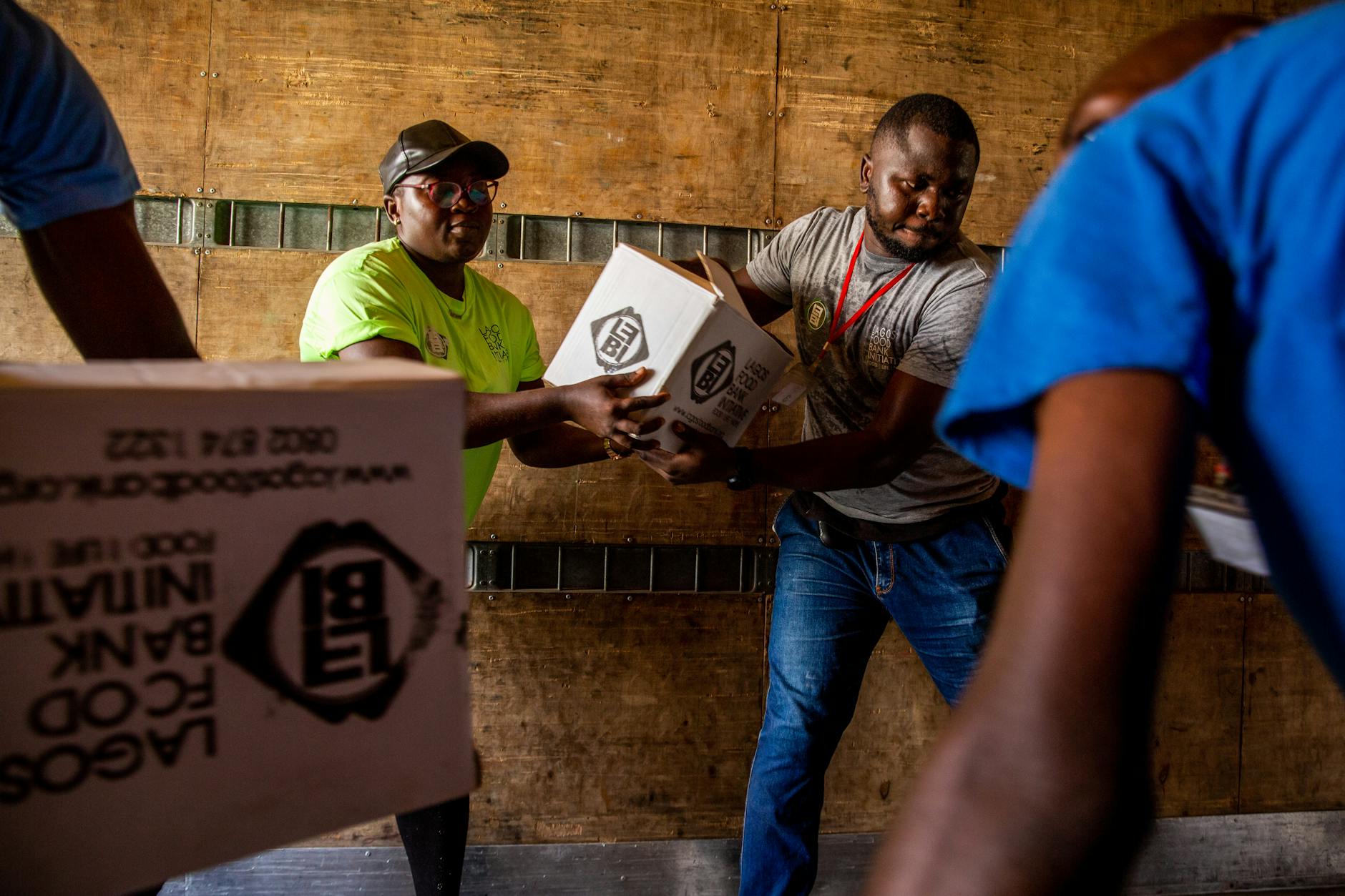
Manual handling gets pigeonholed as a warehouse thing, but it applies far more broadly than most people think. It covers any activity where someone uses bodily force to move a load. That includes pushing trolleys in a care home, stacking shelves in a shop, carrying equipment across a building site, or shifting boxes of printer paper in an office.
If your staff move anything by hand, manual handling law applies to you. And under the Manual Handling Operations Regulations 1992, employers have a clear set of duties: avoid hazardous manual handling where you reasonably can, assess the risks where you can’t avoid it, reduce those risks as far as practicable, and provide training.
That last point is the one that gets missed. The training obligation isn’t optional, and “I showed them on their first day” doesn’t count as formal training in the eyes of an HSE inspector. A CPD-accredited manual handling course takes that box from grey area to fully ticked.
Who Actually Needs This Training?
Pretty much anyone whose job involves moving things physically. The list is longer than most employers expect:
Care homes and healthcare
Retail and hospitality
Construction and trades
Offices and admin
Schools and education
Agriculture and farming
The office one surprises people. But staff regularly shift boxes of paper, move monitors between desks, rearrange furniture for meetings, or carry supplies up flights of stairs. None of that is heavy construction work, but it’s still manual handling, and a pulled back is a pulled back regardless of what caused it.
What Good Training Covers
The point of manual handling training isn’t to turn everyone into a health and safety expert. It’s to give people practical habits they’ll actually use. A well-run course covers these key areas:
Recognising which tasks carry injury risk, and thinking before grabbing.
Checking weight, shape, grip points, and where it needs to go before picking it up.
Feet position, back straight, bend at the knees, hold close to the body. The basics that prevent most injuries.
Understanding that asking for help or using a trolley isn’t weakness. It’s common sense.
Trolleys, sack trucks, hoists, and pallet trucks exist for a reason. Staff need to know what’s available and when to use it.
Online or In Person?
Both work, and many employers use a mix. The right choice depends on the job roles involved and how physical the manual handling tasks are.
Awareness and Refresher
- Complete at your own pace
- Instant CPD certificate
- Great for office-based staff
- Easy to roll out across multiple sites
Practical and Job-Specific
- Hands-on technique practice
- Tailored to your actual tasks
- Ideal for care, warehouse, or site work
- Group discussion and Q&A
A good approach for most businesses: run the online manual handling course for general awareness and annual refreshers, then book in-person sessions for teams doing heavier or more specific manual handling work. That way you get full coverage without pulling everyone off the job for a classroom day.
For Cumbria businesses with seasonal staff (hotels, visitor attractions, farms), online training is particularly useful. You can get new starters through the basics before their first shift, then follow up with practical training once they’re settled in.
Get Your Team Trained
CPD accredited fire safety and first aid training delivered online or at your premises anywhere in Cumbria.
01768 807 258