

Lone Worker Safety for Delivery and Field Staff in Cumbria
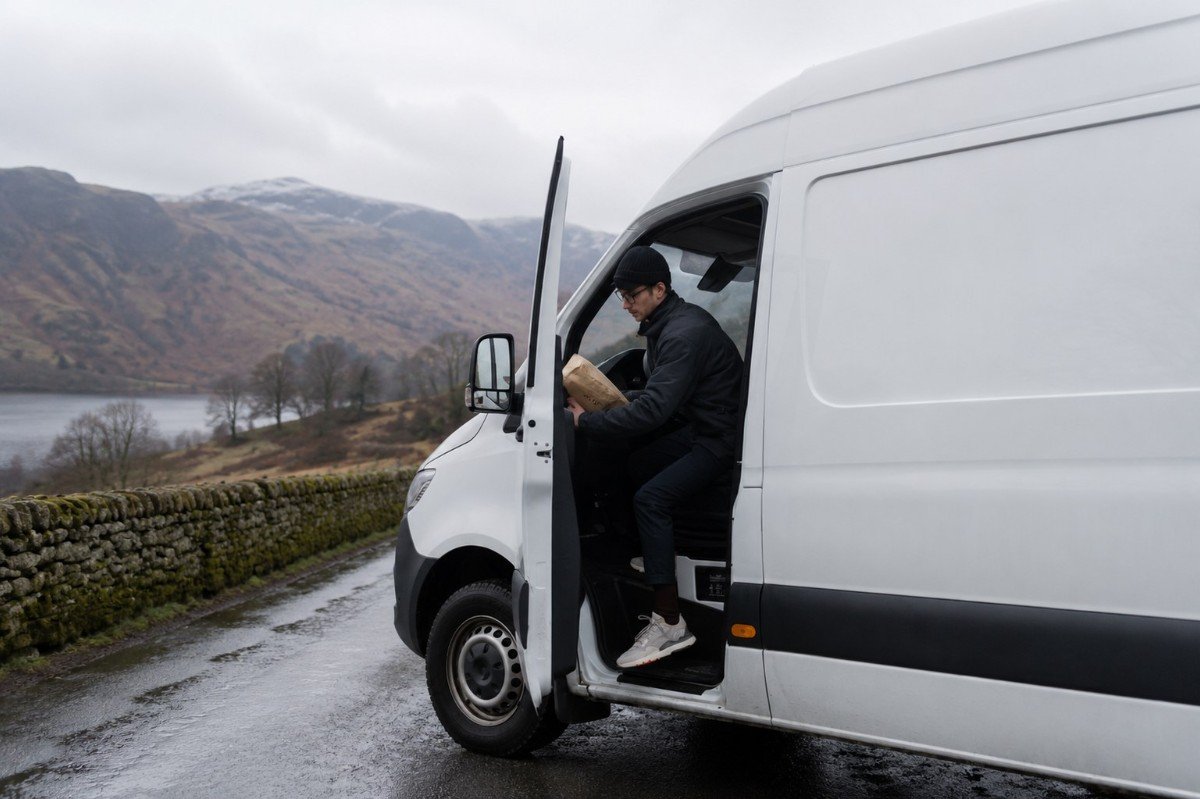
A lot of Cumbrian jobs are done alone. Delivery drivers, agricultural and field staff, care workers on their rounds, and people opening or closing a site by themselves all spend part of the day with no colleague nearby. As the nights draw in through November, that isolation gets sharper. Lone working is legal, but it comes with a duty to keep those staff safe. Here is what the law asks of you and how to close the gaps.
Who counts as a lone worker
A lone worker is anyone who works without close or direct supervision. In this county that covers a wide group:
- Delivery and courier drivers on rural rounds.
- Agricultural and estate workers out in the fields or on the fells.
- Care and support staff visiting people at home.
- Someone opening up or locking up a shop, yard or site alone.
What the law requires
You do not have to stop lone working, but you do have to make sure it can be done safely. That means looking at the specific risks your lone workers face, from accidents and sudden illness to aggression from members of the public, and making sure their working alone does not put them at any greater risk than the rest of your team. Where the risk is too high for one person, the job should not be done alone.
Employers must assess the risks to lone workers and take reasonable steps to remove or reduce them. Lone workers should be no more exposed to harm than anyone else doing the job.
How to close the gap
Most lone-working risk is managed with a few practical measures that work together:
What good lone-worker cover looks like
- A risk assessment for each type of lone role, reviewed as the work changes.
- A way to keep in touch, with regular check-ins and a clear plan if someone does not respond.
- Training so staff can spot and defuse conflict, and know what to do in an emergency.
- First aid knowledge, because help may be a long way off in rural Cumbria.
A lone worker who has been trained to handle a difficult situation is safer than one left to work it out alone. Training turns a vague worry into a clear plan.
Your questions answered
Is lone working illegal?
No. Lone working is allowed. The duty is to assess the risks and make sure it can be done safely, and to stop any task that is too dangerous to do alone.
What must employers do for lone workers?
Assess the risks they face, put steps in place to reduce them, keep a way of staying in contact, and give them the training they need to stay safe.
Do lone workers need training?
It is one of the most useful things you can provide. Conflict awareness and first aid training help lone staff handle the situations they are most likely to meet, especially in remote areas.
Sources
- Health and Safety Executive, Protecting lone workers guidance (hse.gov.uk).
- Health and Safety Executive, Violence at work statistics, 2024/25 (hse.gov.uk).
Train your lone workers to stay safe
Cumbria Fire & Safety Training runs first aid and personal safety courses at our Penrith centre, ideal for delivery, field and care staff who work alone. Get in touch to arrange training.
Call 01768 807 258