
Paediatric First Aid Training in Cumbria: Who Needs It and When to Book

If you run or work in a nursery, pre-school, childminding setting or a school’s early years class in Cumbria, paediatric first aid training is not something you can skip. There are clear rules on who needs a certificate, how long it lasts and how quickly new staff have to get one. This guide explains it all and helps you work out when to book, so you are never caught short on cover.
Why paediatric first aid is different
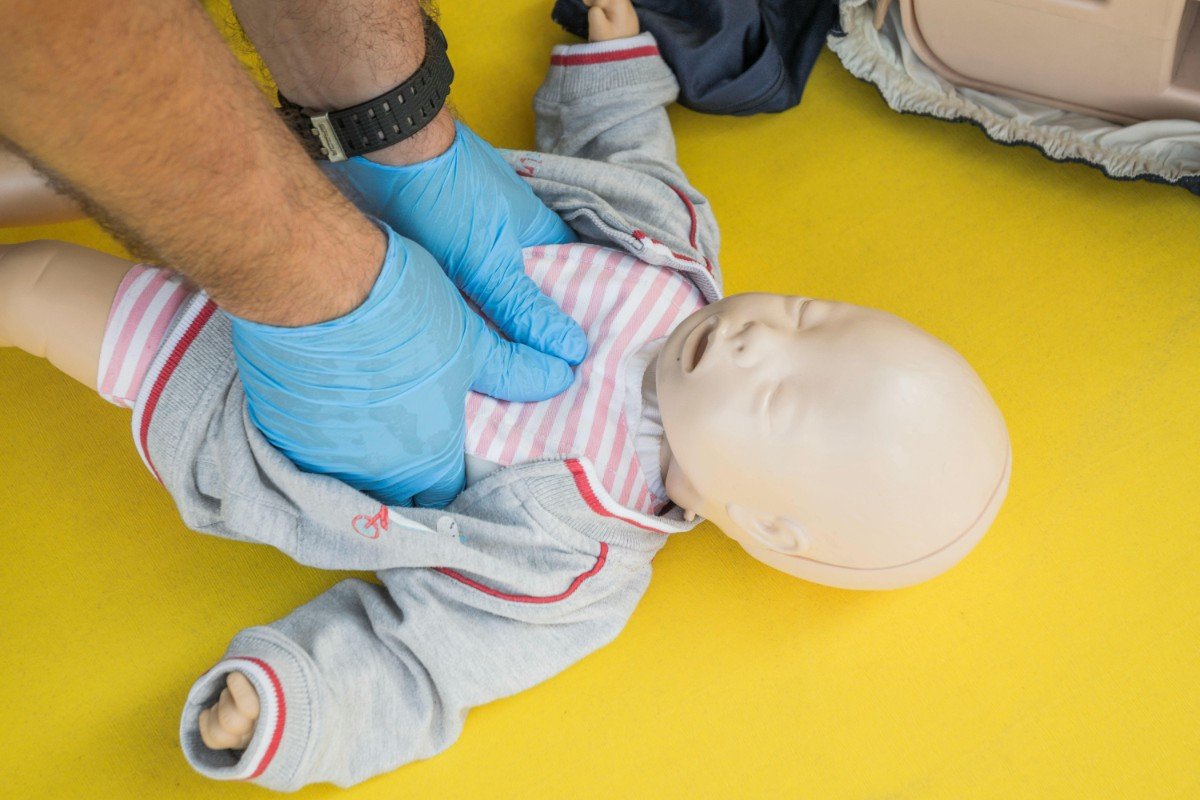
Paediatric first aid is not the same as a general workplace first aid course. It is aimed specifically at people caring for babies and young children, and it covers the emergencies that look very different in a small body: infant CPR, choking, a child having a seizure, and how to put a small child into the recovery position. If your day involves looking after under-fives, this is the training that actually fits what you do.
Who needs a certificate
In short, every early years setting needs at least one person with a current paediatric first aid certificate on the premises and available at all times children are there. That person should also go with the children on any outing. Because cover has to hold up across breaks, sickness and holidays, most settings train more than the bare minimum so they are never left exposed.
Settings this applies to
- Nurseries and pre-schools: a certified first aider on the premises and available whenever children are present.
- Childminders: the childminder, plus any assistant who might be left in sole charge.
- Early years classes in schools: the same cover applies for the youngest children.
- Outings and trips: a certified first aider should go with the children whenever they leave the premises.
“At all times” means just that. If your only certified first aider is off sick or on annual leave, you no longer have the cover you need. Plan ahead so a qualified person is always on site and able to go on outings.
The legal point
If you care for young children as part of your work, you are expected to have proper paediatric first aid cover in place at all times. A regulated certificate is the clear way to show you meet that standard, and it protects the children and your setting if something goes wrong.
Full course or emergency course
There are two routes. The full paediatric first aid course is at least 12 hours, usually run over two days, and covers a broad range of childhood illnesses and injuries. The emergency course is shorter and focuses on life-threatening situations. Most settings choose the full course because it covers far more of what staff actually meet day to day. Whichever you pick, the certificate must be renewed every three years.
When you book, check the certificate is a regulated qualification rather than a course described only as “CPD accredited”. A regulated paediatric first aid award is the safest way to be sure your certificate will be accepted.
When to book in Cumbria
The sensible time to book is before your cover gets tight, not after. Keep an eye on certificates coming up to their three-year expiry, new starters who still need to be trained, and the run-up to busier periods such as the new school year or summer holiday clubs. Booking ahead means you always keep a qualified first aider on site, rather than scrambling for a course date once someone has already lapsed.
Frequently asked questions
Who needs paediatric first aid training?
At least one person with a current certificate should be on the premises and available whenever children are present, and should go on outings. Most nurseries, pre-schools, childminders and early years classes train several staff so they always have cover.
How long does a paediatric first aid certificate last?
Three years. After that it needs renewing, so it pays to track expiry dates and rebook before anyone lapses.
How long is the course and can you come to us?
The full course is at least 12 hours, usually spread over two days. We run paediatric first aid training online or in person at your setting anywhere in Cumbria.
Sources
- Early years foundation stage statutory framework (gov.uk).
- First aid in schools, early years and further education (gov.uk).
Need paediatric first aid cover for your setting?
Cumbria Fire Safety Training delivers regulated paediatric first aid courses for nurseries, childminders and schools across Cumbria, online or at your premises. Call us to book a date.
Call 01768 807 258