
Manual Handling Training for Agricultural Workers in Cumbria
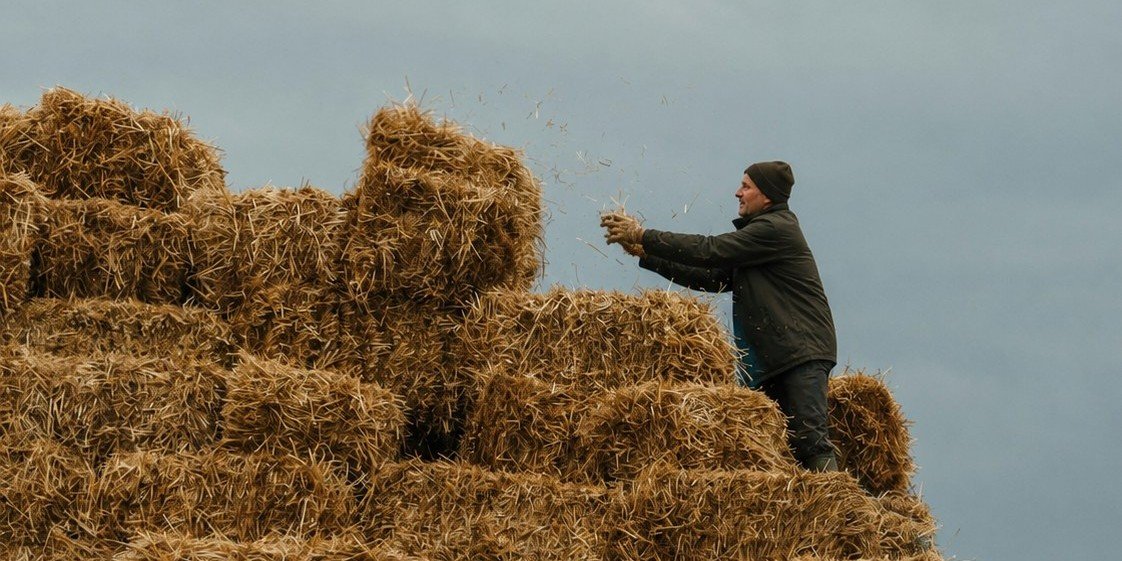
Lifting, carrying, pushing and pulling are part of almost every job on a farm. They are also one of the biggest causes of long-term injury in agriculture. For Cumbria farms taking on seasonal and casual workers, manual handling training is a practical way to cut that risk and protect a team you cannot afford to lose during the busy weeks. This guide covers why it matters, what good training looks like, and how to keep your records straight.
Why manual handling matters in farming
Agriculture has a poor record for the kind of injury that builds up over time. Back pain, sprains and strains in farming run at well over three times the rate seen across all industries, according to the Health and Safety Executive. These are exactly the injuries that come from repeated lifting of feed and seed sacks, manhandling gates and hurdles, dragging equipment and working in awkward postures day after day.
The risk is higher again with a seasonal workforce. New and returning workers may not know the farm, the tasks or the kit, and the busy weeks are when corners get cut. Showing people how to handle loads, and giving them the right equipment, is one of the most effective steps a farm can take.
Training helps, but it cannot make an unsafe lift safe on its own. The sensible order is to remove or redesign the most hazardous handling first, then train people in the safer way of working you have put in place.
What you need to do
If your workers lift and carry as part of the job, you are expected to avoid the most hazardous handling where you reasonably can, look honestly at what is left, and take sensible steps to reduce the risk. Training is one of the most effective of those steps, because it changes how people work every day. Better equipment, smaller loads and a tidier task all count too. The order matters: sort out the task first, then train people in the method you have settled on.
What good training covers
The essentials for a farm course
- Why it matters: how handling injuries happen, and why they often build up over time rather than from one obvious accident.
- Sizing up the load: checking weight, shape, grip and route, and knowing when to fetch help or equipment instead of lifting.
- Safer technique: hands-on practice on the real jobs, such as feed sacks, gates, hurdles and loading trailers, not just a textbook lift.
- Using equipment: sack trucks, trolleys, hoists, loaders and other aids that take the weight out of the task.
- Teamwork: how to plan and signal a two-person lift so nobody gets caught out.
The most useful training is practical and built around the tasks your workers actually do, delivered clearly so that seasonal and overseas staff can follow it. Keep a simple record of who attended, the date and what was covered. That record is what an inspector or your insurer will look for, and it is also how you keep track of who still needs training as the season turns over.
When to refresh training
There is no fixed retraining interval. It makes sense to refresh training when the work changes, when a fresh look at the task says it is needed, or when you notice the safe method slipping. On many farms it works well to tie a short refresher to the seasonal intake, so new and returning workers start the busy period up to date and confident.
Your questions answered
Is manual handling training a legal requirement for farm workers?
If your team lifts and carries loads, you have a duty to manage the risk, and training is the recognised way to support a safer method of working. It also protects you if something goes wrong, which is why most farms treat it as standard.
How often should manual handling training be refreshed?
There is no set interval. Refresh it when the work changes, when a review of the task calls for it, or when you see the safe method slipping. Tying a refresher to the seasonal intake works well for most farms.
Does the training have to be classroom based?
No. The best training is hands-on and based on real farm tasks, with a short explanation of the risks and a written record of who attended.
Sources
- Health and Safety Executive (HSE), Health and safety in agriculture, on musculoskeletal and fatal injury rates.
- Health and Safety Executive (HSE), Manual handling at work, on guideline lifting weights and reducing risk.
Train your farm team before the busy season
Cumbria Fire Safety Training runs practical manual handling courses online or on site at your premises, anywhere in Cumbria, built around the real tasks on your farm. Call 01768 807 258 or visit cumbriafiresafetytraining.co.uk to book.
Call 01768 807 258